
Top 8 Self-Mating Mushroom Fastener Suppliers for Automotive Interior Bulk Purchasing: A 2026 Sourcing Guide
Oct 29, 2026
Top 8 Self-Mating Mushroom Fastener Suppliers for Automotive Interior Bulk Purchasing: A 2026 Sourcing Guide
Introduction
For automotive interior procurement teams, finding a reliable self-mating mushroom fastener supplier for large-volume orders involves much more than comparing unit prices. Buyers must evaluate material durability, engagement and release performance, adhesive compatibility, environmental resistance, production capacity, and quality consistency.
Generic industrial fasteners may not meet the specific requirements of automotive interior applications. Differences in temperature exposure, substrate materials, vibration, maintenance frequency, and service-life expectations can significantly affect fastening performance. Without a structured supplier evaluation process, procurement teams risk choosing products that require costly redesigns, additional testing, or premature replacement.
This 2026 sourcing guide explains how to evaluate self-mating mushroom fastener manufacturers for automotive interior projects. It covers eight essential supplier-selection criteria, product qualification requirements, bulk purchasing considerations, and practical questions to ask before placing an order.
For buyers exploring custom mushroom-head interlocking fasteners, E-HOOK offers a relevant starting point for discussions about product configuration, material selection, and application-specific fastening solutions. Actual suitability should be confirmed through product samples, technical documentation, and testing against the requirements of each project.
Why Automotive Buyers Need a Specialized Fastener Sourcing Strategy
Automotive interior fastening applications often require a more detailed evaluation process than general-purpose industrial purchasing. A product that performs adequately in a low-stress indoor application may behave differently when exposed to heat, vibration, repeated removal, or long-term environmental aging.
Three common sourcing challenges deserve particular attention.
1. Automotive Quality Requirements
Automotive buyers may need documented quality management systems, product traceability, controlled manufacturing processes, and supplier audit records.
IATF 16949 is an important automotive quality management standard, but buyers should verify whether a supplier holds a current, valid certificate covering the relevant legal entity and manufacturing site. Product suitability cannot be established by a management-system certificate alone.
2. Production Capacity and Delivery Reliability
Large-volume purchasing requires more than a supplier's stated maximum capacity. Buyers should assess actual available capacity, production scheduling, material availability, quality inspection procedures, packaging requirements, and the supplier's ability to maintain consistent output across repeat orders.
For orders involving 100,000 units or more, a documented production plan and agreed delivery schedule are more useful than an unverified delivery-time claim.
3. Application-Specific Product Performance
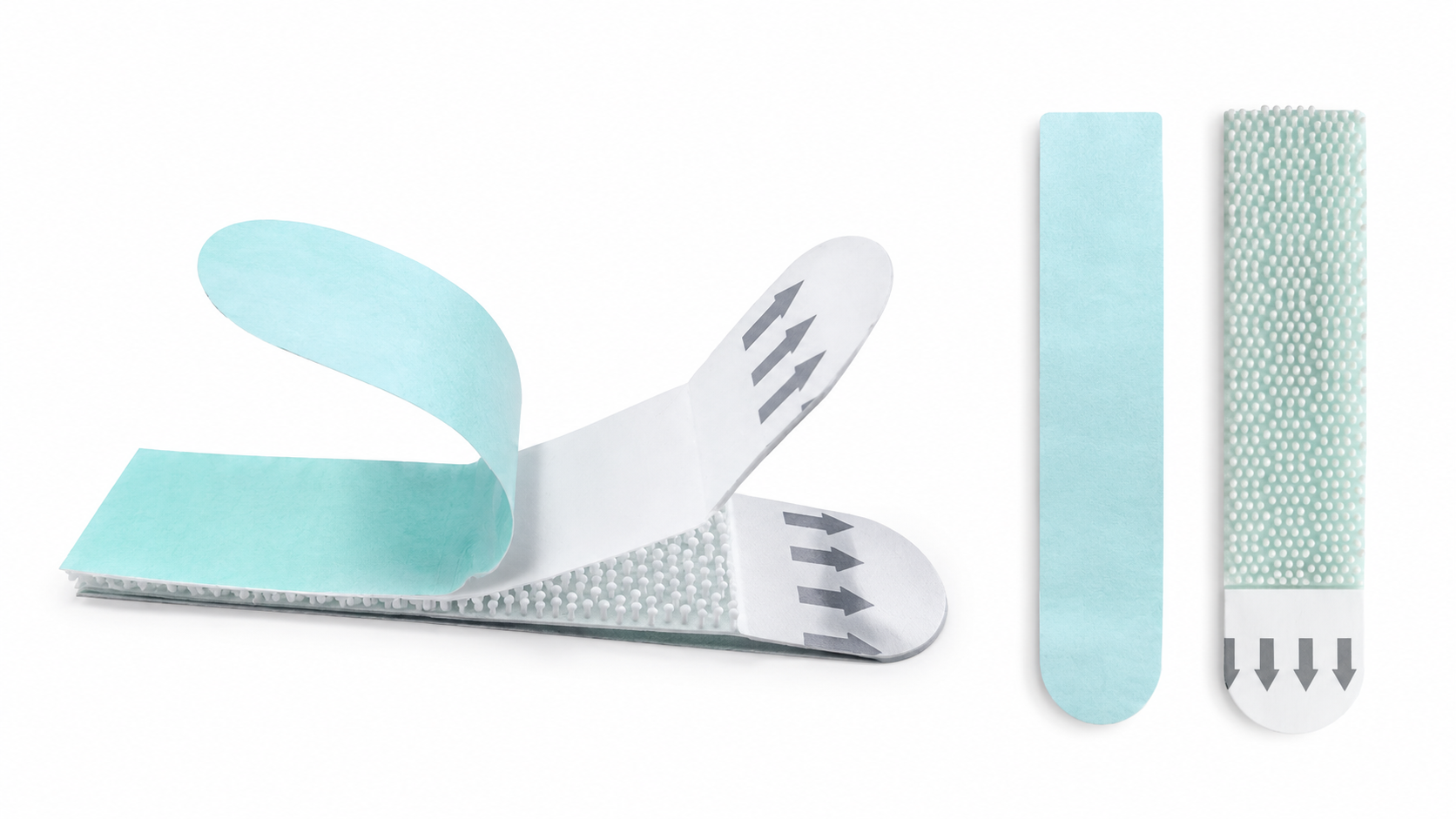
Self-mating mushroom fasteners use interlocking molded projections to create a reclosable fastening connection. Their performance depends on factors such as mushroom-head geometry, stem density, engagement pressure, substrate characteristics, and the number of opening and closing cycles.
For automotive interiors, buyers should also consider temperature exposure, vibration, humidity, UV exposure where relevant, flammability requirements, and interior emissions restrictions where applicable.
The term "Dual Lock" is commonly used in searches for reclosable interlocking fasteners. When specifying products, buyers should distinguish the general fastening mechanism from a particular branded product and confirm that the proposed alternative meets the project's actual performance requirements.
Eight Essential Criteria for Evaluating Self-Mating Mushroom Fastener Suppliers
Rather than relying on an unverified ranking, use the following eight criteria to build a qualified shortlist of potential manufacturers.
1. Automotive Quality Management and Traceability
Ask suppliers to provide current quality-system certificates, the scope of certification, manufacturing-site details, and relevant quality-control procedures.
For automotive programs, also review batch identification, material traceability, nonconformance handling, corrective-action procedures, and change-control practices.
2. Verified Production Capacity
Request production capacity for the specific mushroom fastener configuration you intend to purchase, rather than the supplier's total output across all product categories.
Clarify available monthly capacity, current production commitments, tooling requirements, expected yield, and contingency arrangements for demand fluctuations.
3. Material and Structural Consistency
Evaluate the molded hook geometry, material properties, dimensional tolerances, and engagement consistency.
Ask whether the manufacturer can maintain consistent fastening performance across production batches. For custom products, confirm that any changes to resin, tooling, geometry, or manufacturing conditions are controlled and communicated.
4. Temperature and Environmental Resistance
Automotive interiors can experience substantial temperature fluctuations, especially inside parked vehicles. The required operating and storage ranges should be defined according to the vehicle platform, component location, and intended service life.
Request test results for the relevant temperature conditions. Where appropriate, evaluate humidity, chemical exposure, UV aging, and other environmental factors.
Avoid applying one universal temperature range or aging benchmark to every fastener. Acceptance criteria should be established from the project's engineering specifications and validated test methods.
5. Engagement, Release, and Cycle-Life Performance
A mushroom-head interlocking fastener must provide an appropriate balance between holding strength and ease of removal.
Depending on the application, buyers may need to evaluate tensile strength, shear resistance, peel behavior, engagement force, release force, and performance after repeated opening and closing.
Specify the test method, specimen dimensions, engagement procedure, conditioning environment, and acceptance limits before comparing suppliers. Results obtained under different test conditions may not be directly comparable.
6. Adhesive and Substrate Compatibility
For products supplied with adhesive backing, compatibility with the target surface is critical.
Automotive interior substrates may include plastics, coated panels, textiles, carpets, and other engineered materials. Surface energy, texture, contamination, temperature, and applied pressure can affect adhesion.
Ask the supplier to recommend a suitable adhesive configuration and validate it on representative substrate samples. Where removable installation is required, assess residue, surface damage, and long-term bond stability.
7. Customization and Engineering Support
Automotive projects may require custom dimensions, engagement characteristics, adhesive options, die-cut shapes, packaging, or installation configurations.
Evaluate whether the supplier can support sample development, design revisions, pilot production, and documented approval before mass production.
E-HOOK's mushroom-head interlocking fastener product category may be worth discussing with buyers seeking customized fastening configurations. Specific material grades, adhesive options, dimensional tolerances, and automotive performance capabilities should be confirmed directly for each proposed product.
8. Commercial Terms and Supply-Chain Resilience
Compare total procurement cost rather than unit price alone. Relevant factors include tooling charges, minimum order quantities, sample costs, inspection expenses, packaging, freight, lead times, and potential requalification costs.
Also review backup production arrangements, raw-material sourcing, inventory policies, and procedures for managing unexpected demand or quality issues.
A qualified supplier should be able to explain how it will maintain product consistency and delivery reliability over the life of the project.
Supplier Evaluation: What to Verify Before Bulk Purchasing
The following checklist can help procurement teams compare manufacturers more consistently.
| Evaluation area | Documents or evidence to request |
|---|---|
| Company qualifications | Business registration and relevant, current certifications |
| Automotive quality | Quality-system scope, audit records, and traceability procedures |
| Product specifications | Technical data sheets, drawings, tolerances, and material information |
| Performance testing | Relevant test reports for the proposed product configuration |
| Environmental compliance | Applicable RoHS, REACH, or customer-specific compliance documentation |
| Production capability | Capacity statement, manufacturing process, and production schedule |
| Sample approval | Representative samples and agreed acceptance criteria |
| Commercial terms | MOQ, tooling fees, lead time, payment terms, and packaging details |
| Change management | Procedures for material, design, and process changes |
| After-sales support | Complaint handling, corrective actions, and replacement arrangements |
Document availability does not automatically establish compliance. Check that certificates are valid, test reports correspond to the actual product being purchased, and the evidence covers the intended application.
Automotive Interior Applications for Mushroom-Head Interlocking Fasteners
Self-mating mushroom fasteners may be considered for selected automotive interior applications where a reclosable connection is appropriate.
Potential use cases include:
- Interior trim and accessory mounting.
- Removable panels or service-access components.
- Carpet and selected floor-covering attachment systems.
- Cable-management accessories.
- Selected storage or organizational components.
These are potential application areas, not universal recommendations. Each design must account for load requirements, crash safety, flammability, vibration, temperature, serviceability, and the vehicle manufacturer's engineering standards.
Fasteners should not replace safety-critical mechanical retention systems unless the design has been specifically engineered and approved for that purpose.
How to Qualify a Supplier for a 100,000-Unit or Larger Order
A structured qualification process can reduce procurement risk and make supplier comparisons more meaningful.
Step 1: Define the Application
Document the installation location, substrate materials, expected loads, environmental conditions, removal frequency, and required service life.
Step 2: Issue a Consistent Technical Request
Send shortlisted suppliers the same drawings, performance requirements, annual demand estimates, packaging specifications, and delivery expectations.
Step 3: Review Technical Evidence
Compare product specifications, relevant certificates, test reports, traceability arrangements, and manufacturing capabilities. Identify missing information before proceeding.
Step 4: Test Representative Samples
Evaluate samples under agreed test conditions. Where necessary, conduct application-specific aging, vibration, adhesion, and repeated-engagement tests.
Step 5: Approve the Production Configuration
Record the approved material, geometry, adhesive, dimensions, packaging, and acceptance criteria. Establish a formal process for approving subsequent changes.
Step 6: Confirm the Production and Delivery Plan
Agree on production quantities, inspection checkpoints, shipment schedules, packaging, documentation, and procedures for handling nonconforming goods.
Step 7: Monitor Repeat-Order Performance
Track defect rates, delivery performance, customer complaints, and consistency between batches. Reassess supplier performance when product specifications or manufacturing conditions change.
Frequently Asked Questions
What is a self-mating mushroom fastener?
A self-mating mushroom fastener is a reclosable fastening system that uses molded mushroom-shaped projections on mating surfaces. When pressed together, the projections interlock to create a connection that can be separated and re-engaged.
Is a mushroom-head interlocking fastener the same as Dual Lock?
The terms may overlap in general search intent, but they should not automatically be treated as interchangeable product specifications. "Dual Lock" is associated with a specific branded fastening product, while self-mating mushroom fastener and mushroom-head interlocking fastener are descriptive terms for a fastening mechanism or product category.
When evaluating alternatives, compare the actual geometry, performance data, materials, and application requirements rather than relying on the keyword alone.
What is the typical MOQ for custom automotive fasteners?
There is no universal MOQ. It depends on the product dimensions, material, tooling requirements, adhesive configuration, manufacturing process, and supplier's production arrangements.
Ask for separate quotations for prototypes, pilot batches, and mass production so that the cost implications of each stage are clear.
Can mushroom fasteners be supplied with custom adhesive backing?
Some manufacturers offer adhesive-backed configurations, but availability and suitability depend on the specific product and substrate. Request samples and validate adhesion under the intended installation and environmental conditions.
Which tests should be completed before mass production?
The test plan should follow the component's engineering requirements. Depending on the application, it may include engagement and release performance, tensile or shear resistance, temperature aging, vibration, humidity, adhesive performance, flammability, and applicable material-compliance testing.
There is no single universal test package suitable for every automotive interior fastening application.
What documents should buyers request before approving a supplier?
Start with company and quality-system documentation, product drawings and specifications, relevant test reports, material and compliance declarations, sample-approval records, traceability procedures, and an agreed production and delivery plan.
Confirm that the documents correspond to the actual supplier, manufacturing site, and product configuration under consideration.
Final Thoughts: Choose a Supplier Based on Verified Performance
Selecting a self-mating mushroom fastener manufacturer for automotive interior bulk purchasing requires a balance of technical suitability, manufacturing consistency, quality documentation, customization capability, and commercial reliability.
A supplier shortlist should be built around verified evidence rather than unconfirmed rankings, generalized performance claims, or headline production figures. The most appropriate manufacturer is the one that can demonstrate that its proposed fastening solution meets the project's requirements and can be supplied consistently at the required scale.
E-HOOK welcomes discussions about mushroom-head interlocking fastener applications and customized fastening requirements. For automotive interior projects, buyers should provide their application details, substrate information, expected order volume, and relevant performance specifications to determine whether a proposed configuration is suitable.
Request product information, discuss customization options, or arrange sample evaluation before committing to a mass production order.